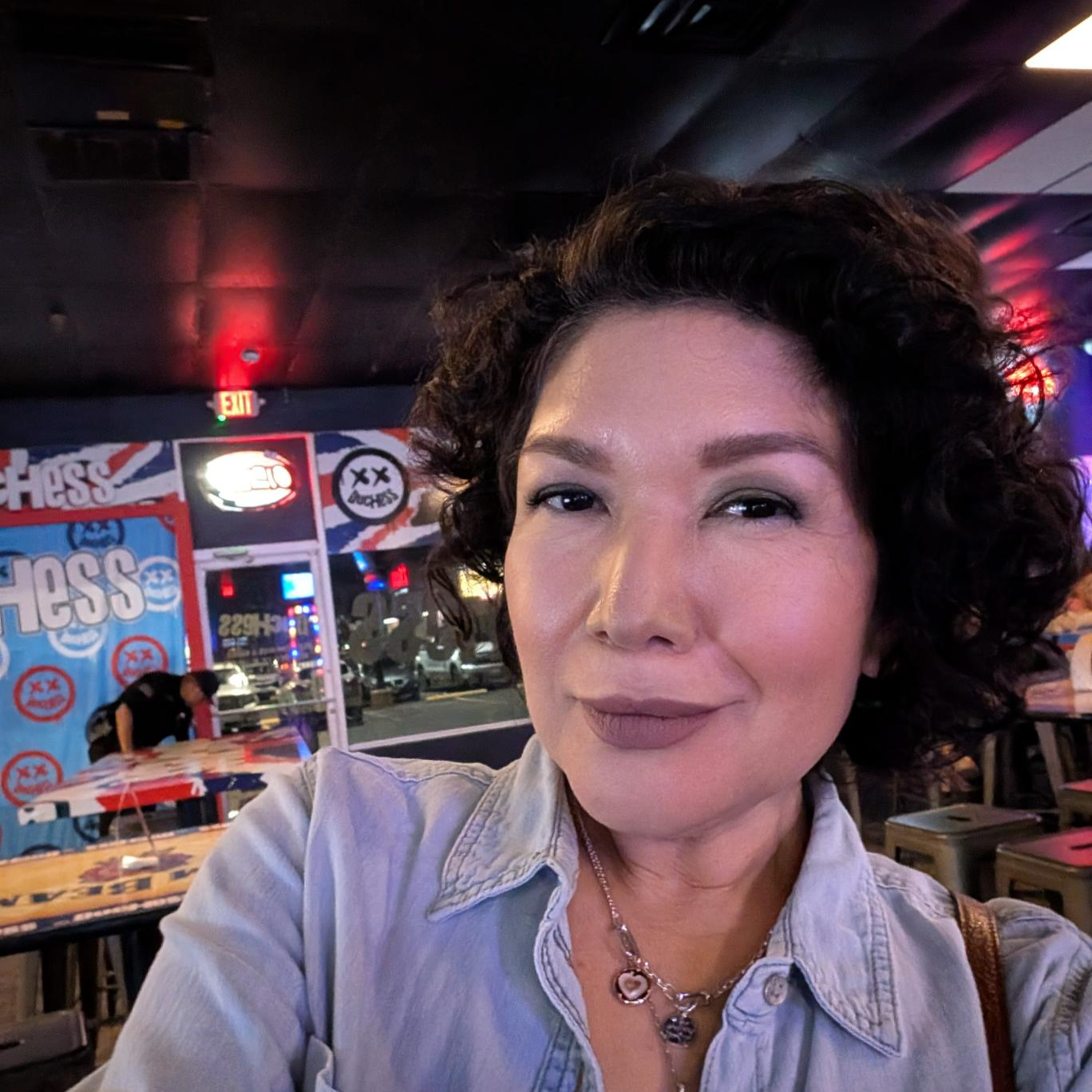
I'm an avid reader, and I review the books on this site. The horror I love most gets under your skin and stays there, so naturally Stephen King is my favorite author. I read The Long Walk almost two decades ago, and it left a real impact on me, so I've been reading this kind of thing for a long time and will continue to do so. I also enjoy horror that blends with other genres, like dark fantasy, folk horror, and even sci-fi.
I like books that make me think, and I like horror that asks me what I'd do in the same situation. I also enjoy a good story, and I like to be pulled along by the writing rather than distracted by it.
What keeps me coming back
A good book transports me; some books put a picture in my head that doesn't leave. A character from Horns still gives me low-key nightmares, and I can still see the source scene of that feeling vividly.
I'm also picky about rereading. I rarely go back to a book, and Stephen King is the only author whose stories catch my eye on the shelf and make me pull one down for an afternoon. So when I say I'd read a book again, it has earned it, and I mean it.
What I gravitate toward
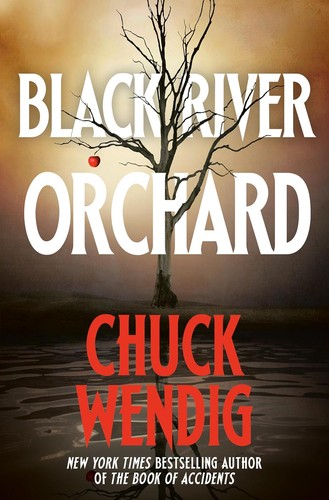
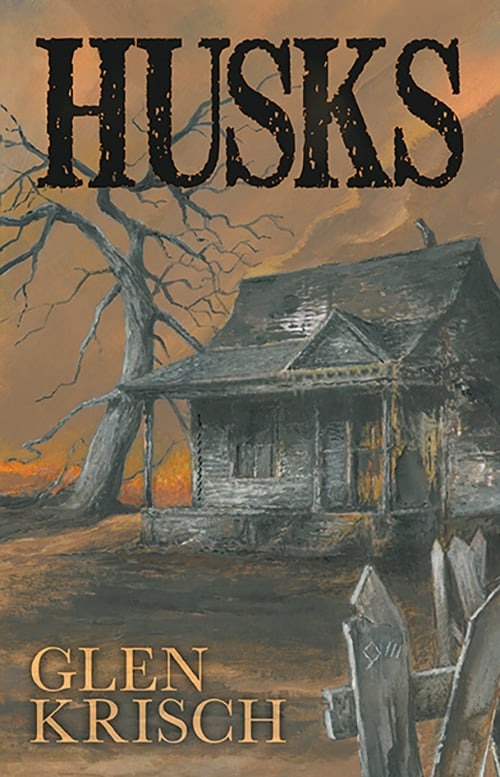
I love psychological horror and slow-building dread. I also really enjoy folk horror like Black River Orchard, the kind you can read cozied up under the covers on a cold day. I like character-driven books where I'm rooting for people, and I like writing that's easy to sink into rather than flourished for the sake of it. Chuck Wendig's plain, punchy prose is a good example. I'm also drawn to horror that makes me think about what I'd do in the same spot. Husks did that to me, and it didn't need any gore or violence to do it.
I'm happy to have a book make me work a little, too. I loved how Horns jumps around in time and blends horror with dark fantasy and crime.
What doesn't work for me
- Gore for its own sake. If it's gory just to be gory or just gratuitously violent, I'm out.
- Excess. My 2.5 for University is the best example. It started strong, but it kept piling on shocking scenes until I stopped feeling any of them. Less is more.
- Villains that are too over the top. When the evil gets so extreme it's almost laughable, it stops being scary.
- Asking me to suspend too much disbelief. A fantastical premise is fine. It's when the world around it stops reacting the way real people would that I check out.
- Stories that hold information hostage. I don't want to be made to wait just so someone can build suspense. I like it when a story unfolds the way it should.
- Jump scares and action-heavy stories. I'm not a huge fan of either, though a jump scare done well can still surprise me.
How I review
I read the whole book first. Then Josh and I sit down and talk it through, and every opinion in my reviews comes from that conversation. I write it up and score it afterward.
When I read, I'm watching a few things. Is the prose easy to follow and does it keep me moving? Can I picture the world and the people in it? Does the pacing hold up in the middle, or does it sag? Do I care about the characters, and do they feel believable? Is the threat actually threatening? Do the big ideas feel earned, or does the book lecture me? Those questions line up with the facets on every book review. If you want the full breakdown, here's how books are reviewed.
Every conversation ends with the same three questions: Who is this for, who should skip it, and would I read it again? I try to be specific, because a warning about squeamish body horror or a heavy structure can save you a book.
Where to start with my reviews
- Black River Orchard (4.5). It's 640 pages of supernatural folk horror that I burned through in three days, so the voice is just that readable.
- Horns (4.5). This is a good first Joe Hill book, because the timeline jumps around but the characters keep everything grounded.
- Husks (4.0). It's short enough to read in a single sitting, and it's horror that asks you a hard question instead of trying to gross you out.