Survival horror puts you, or the characters you're following, in a situation where staying alive is the whole job. The threat is stronger than you are, you have few tools to deal with it, and most of the fear comes from the pressure of getting through one more room, one more mile or one more hour.
What to expect
Expect tension that rarely lets up. Characters are under-equipped, outmatched or trapped, and the story keeps raising the stakes. The monsters can be creatures, people or the environment itself. It's often more about endurance and nerves than about explanations. You get a lot of running, hiding, close calls and the feeling that one mistake is all it takes.
Movies, books and games
Games are the natural home for this subgenre, because you feel the helplessness through the controls. When the game takes away weapons, or makes combat rare, you stop thinking like a hero and start thinking like prey. Movies get the same pressure through structure: rules and a situation that can't be escaped.
Which facets matter most
For games, Fear Factor & Tension is the heart of it, backed by Enemy/Monster Design and Atmosphere & Sound Design. Difficulty & Challenge Design matters more here than almost anywhere, since unfair deaths break the spell. Gameplay Mechanics decides whether helplessness feels designed or just clumsy. For movies, Pacing, Immersibility and Genuine Fear/Suspense carry the weight.
From our reviews
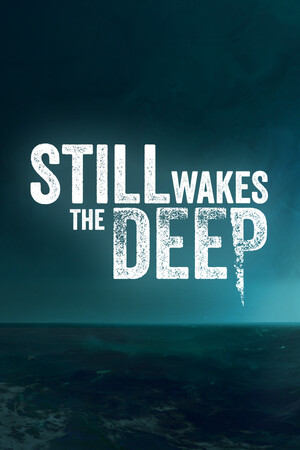
Josh's Still Wakes the Deep (4.5) is set on a 1970s Scottish oil rig, and it has no combat at all. You run, climb, crawl through vents and dive underwater while managing limited air. The rig itself is a threat, with fire, flooding and collapse on top of the creatures, and it scored 5 for both Atmosphere & Sound Design and Pacing & Length.
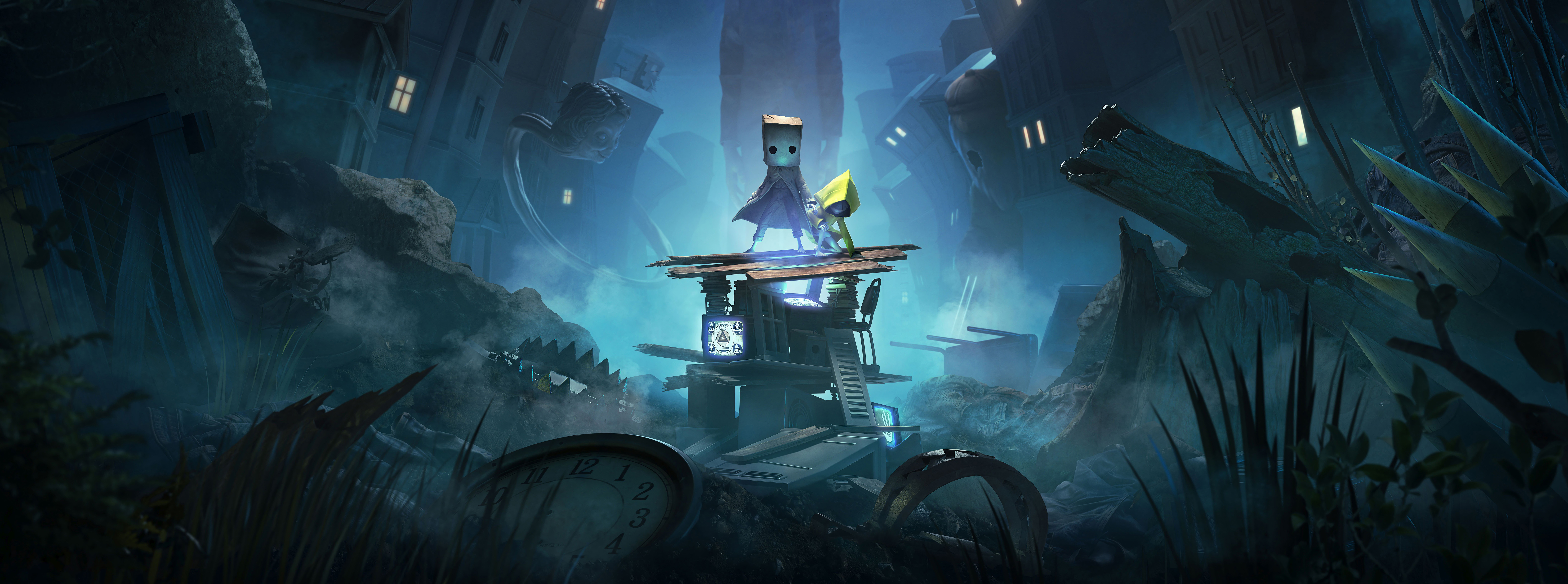
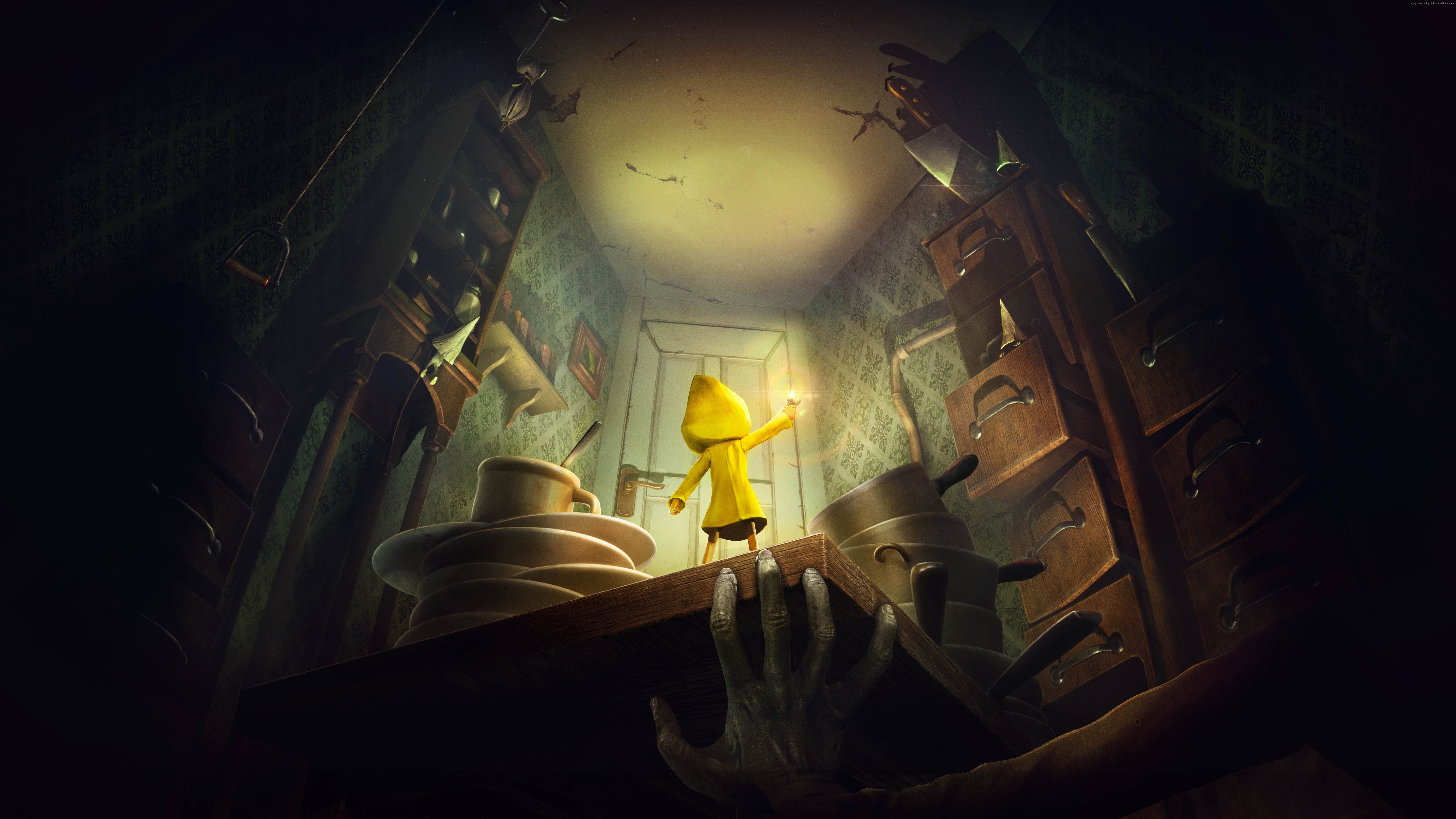
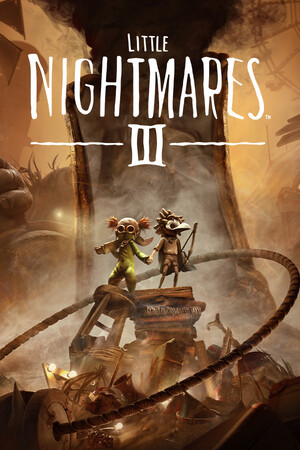
Little Nightmares (4.5) is the stripped-down version. You can run, jump, grab, crouch and use a lighter, and that's it, with no weapons, no upgrades and no HUD. Josh says that simplicity keeps you locked into the world. Its sequel, Little Nightmares II (4.5), adds combat but uses it sparingly, more like a timing puzzle than a brawl. Little Nightmares III (3.0) shows what happens when the balance tips. Josh found combat more present than ever, which nudges it toward action-adventure, and that the co-op design dilutes the isolation that defined the earlier games.
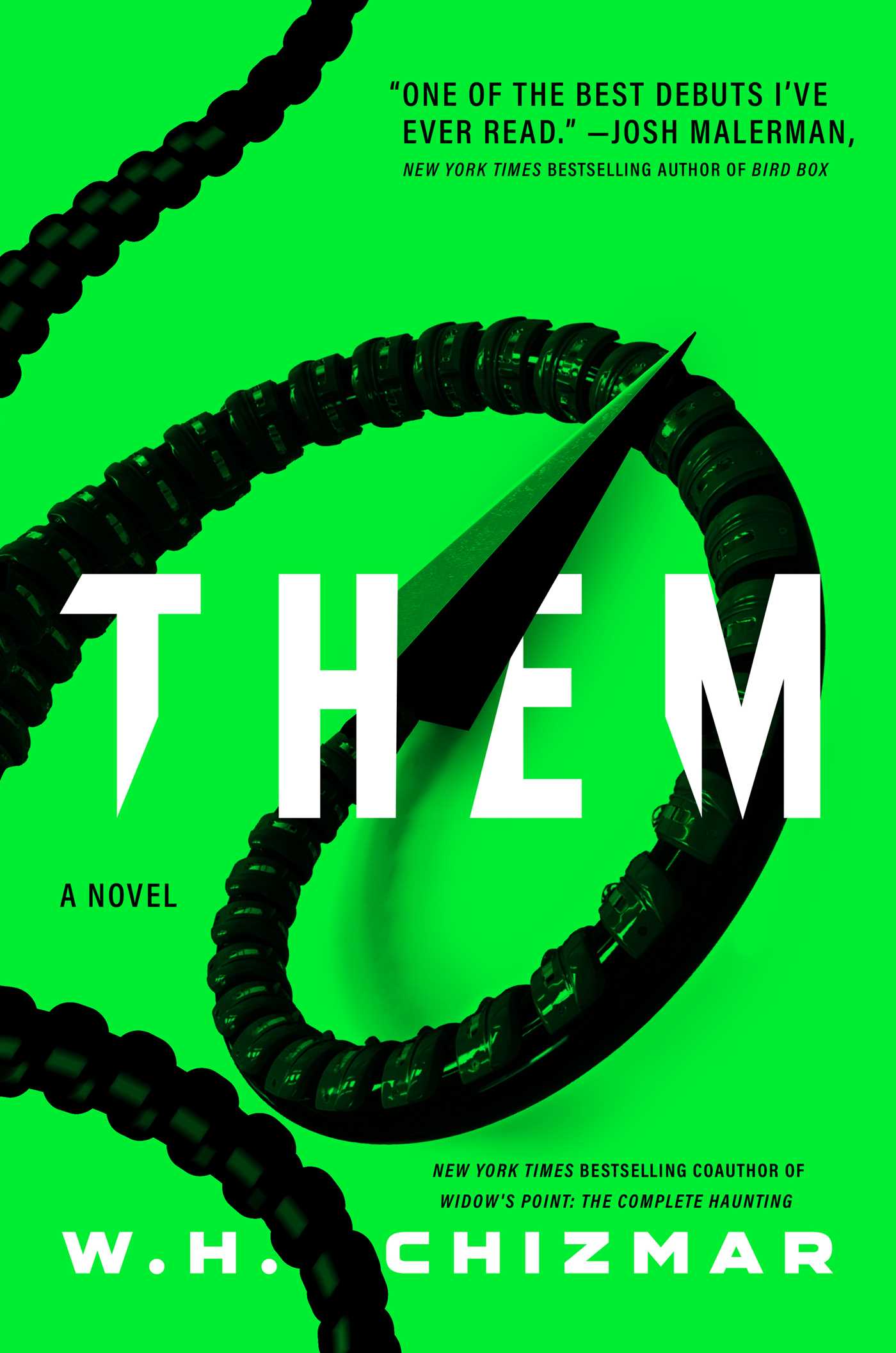
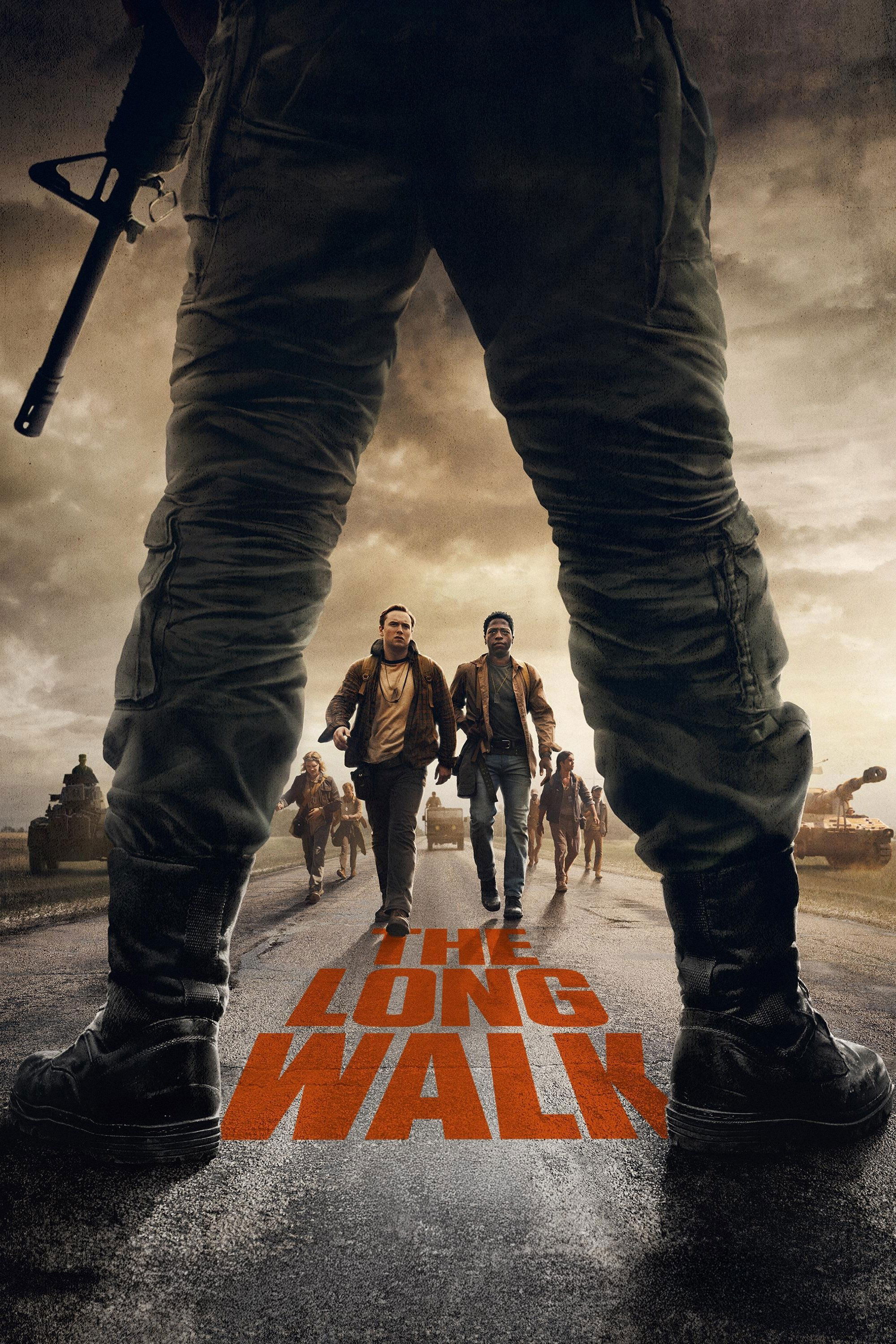
On the movie side, The Long Walk (4.5) turns survival into a rule. Keep the pace or take a warning, and too many warnings are permanent. It has no monster in the usual sense, and Josh says the situation is the true antagonist. He scored it 5 for Pacing and 5 for Immersibility, because the film stays tightly on the boys walking.
One thing worth noticing: survival games tend to score in the middle for Replayability. They're built around one tense run-through, so there's less pull to go back.
Is it for you?
If you like to be tense for a few hours and don't mind not being able to fight back, this is a great place to be. If you need a clear story, plenty of combat or a game you can relax in, some of these may frustrate you. Josh flags that in the Little Nightmares reviews, and the Still Wakes the Deep review notes that the constant running and hiding may wear thin if you want a way to fight back.