Psychological horror scares you through the mind instead of the body. The threat can be a person, a supernatural force or a situation, but the story cares most about what it does to the people caught in it: their fear, guilt, grief, obsession, or their grip on what's real.
What to expect
Expect a slow build and a lot of unease. Psychological horror usually leans on tension and dread over shock, so there's often less gore and fewer jump scares than you'd get from a slasher or a monster movie. Things stay ambiguous on purpose, and the feeling tends to follow you out of the room after the credits or the last page. If you like a story that makes you uncomfortable more than it makes you jump, this is the neighborhood.
Movies, books and games
In movies, the camera, the score and the performances put you inside a headspace. In books, the writer can take you straight into a character's thoughts, which is why Psychological Dread is its own facet in our book scoring. In games, the mind games often come from helplessness: when you can't fight back, the fear is about what you can't control.
Which facets matter most
For movies, look at Atmosphere, Genuine Fear/Suspense, Immersibility and Music/Soundtrack, since mood does most of the work. Pacing matters too, because unease needs room to build. Jump Scares are less central, though a few well-placed ones can still land. For books, Psychological Dread, Character Voice and Prose / Writing Style carry the weight. For games, Fear Factor & Tension and Atmosphere & Sound Design are the ones to watch.
From our reviews
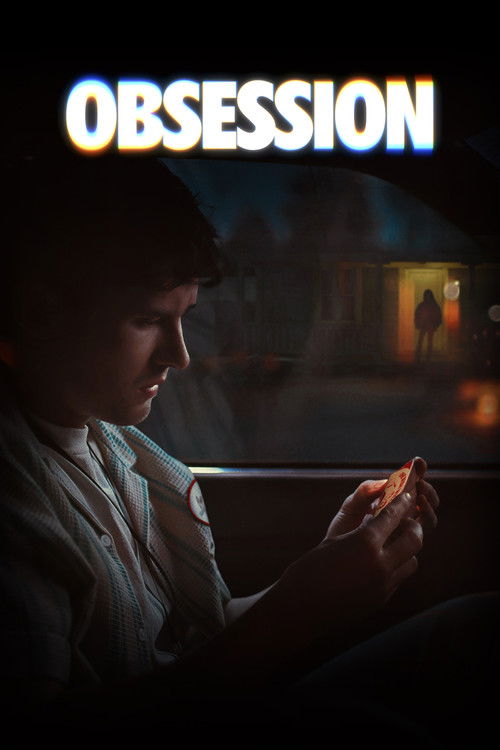
Josh's review of Obsession (4.0) is a good example of the subgenre at work. It takes the old "be careful what you wish for" setup and spends real time on a believable group of friends before anything goes wrong. He describes a steady, cerebral unease rather than outright terror, and it scored a 5 for Immersibility. It also has only three or four jump scares, which is why they hit so hard.
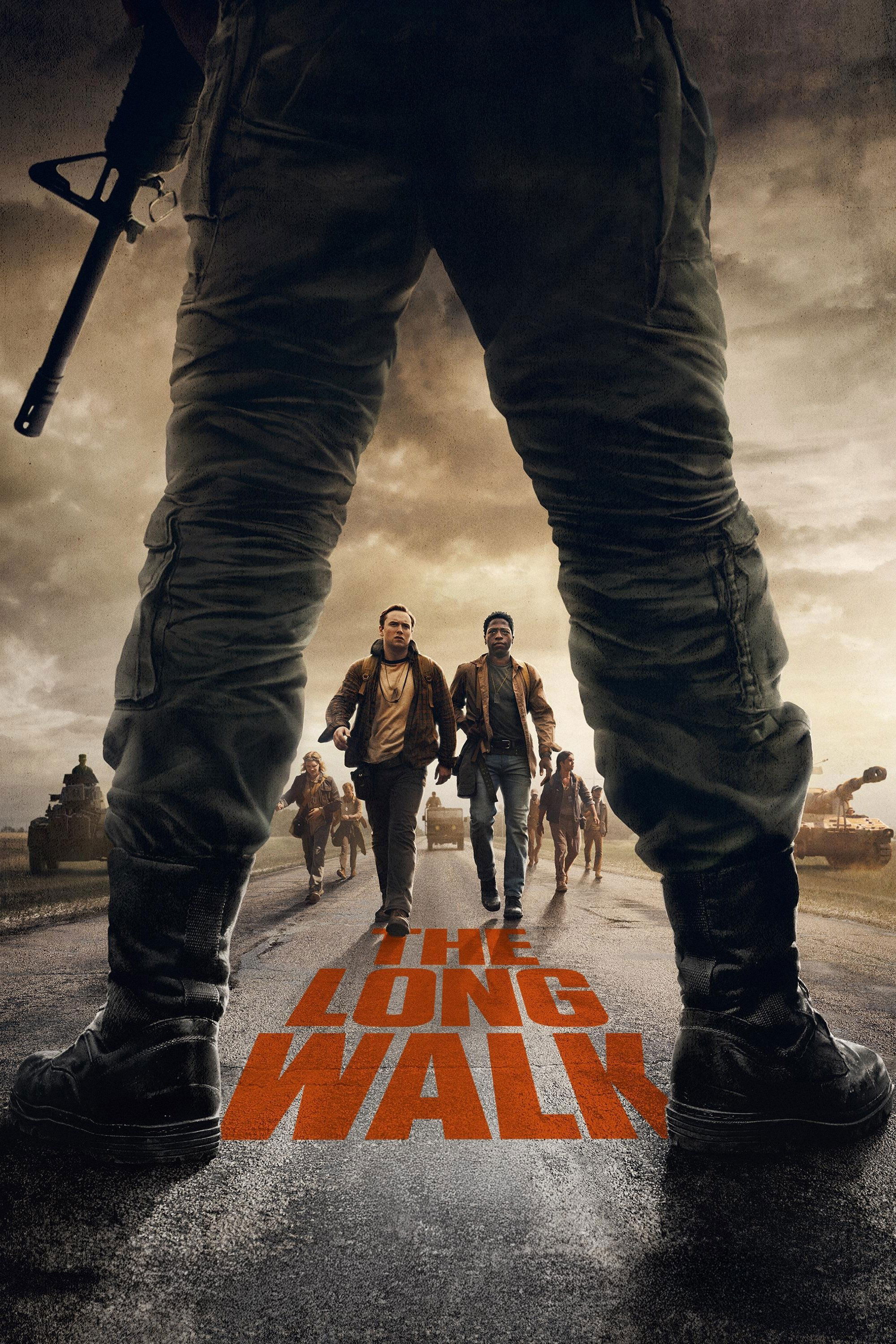
The Long Walk (4.5) shows a different side. Josh says the horror comes from dread and psychological weight, and the film gets a 2 for Jump Scares and a 5 for Atmosphere. It plays out on an open road yet still feels claustrophobic, and the real fear comes from a society that treats the whole thing as entertainment.
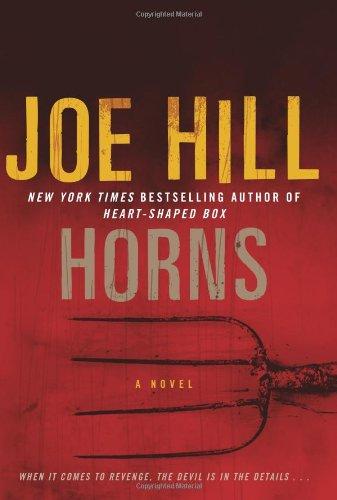
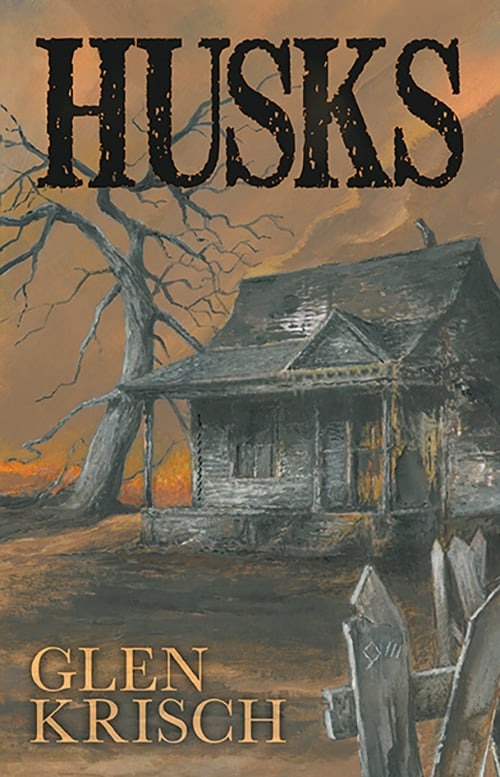
In books, Yvonne's review of Horns (4.5) is about a dread that is very specific. When the horns compel people to confess what they really want, the horror is that it all sounds completely real. Husks (4.0) shows how quiet this subgenre can get. Yvonne's review says plainly that it isn't a scary book, and Psychological Dread is a 3, but the unease sits in the question you find yourself asking while you read.
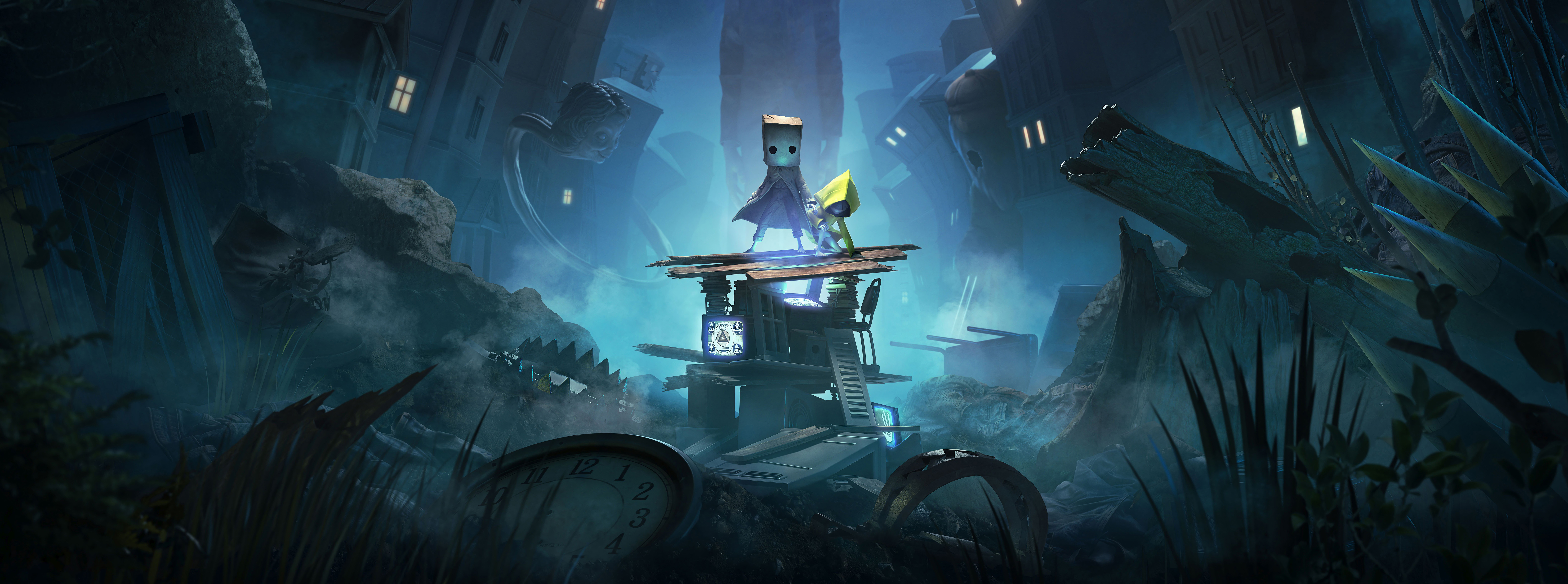
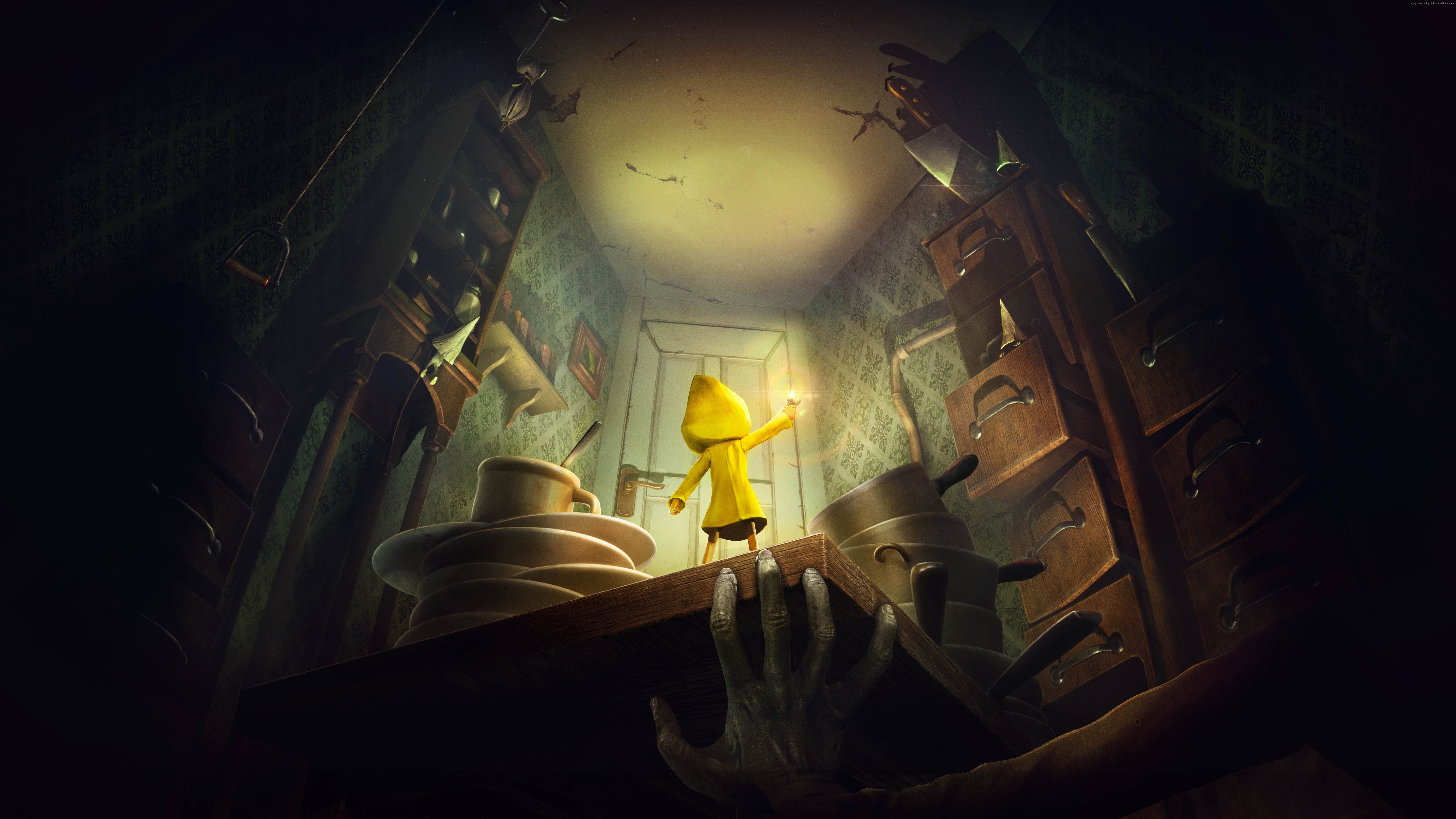
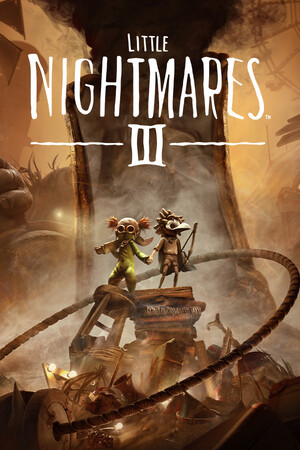
On the game side, Little Nightmares II (4.5) earns a 5 for Fear Factor & Tension, and Josh's favorite stretch is its hospital chapter. The story stays vague and dreamlike, so you piece things together yourself. The same series is a useful lesson in how much tone matters: Little Nightmares III (3.0) scored a 2 for Fear Factor & Tension because its rounded, plush look keeps the horror at arm's length. The original Little Nightmares (4.5) set the template: no weapons, no explanation, and you're tiny and hunted.
Is it for you?
If you want horror that works on your head, takes its time and leaves you thinking, start here. If you want fast action, constant scares or a monster in every scene, you'll probably want another page of this guide. Each review's Scoring Details show how much of the dread comes from mood and how much from gore.